Environmental campaign websites

Climate and environmental campaign websites that practise what they preach

We build environmental campaign websites for climate groups, national campaigns and local fights over rivers, green spaces and planning decisions. Lightweight sites that load fast, waste little and turn concern into pressure on the people who decide.

In short

What makes a good environmental campaign website?

A good environmental campaign website explains the issue clearly, gives people a specific action such as a petition, consultation response or email to their MP, and loads quickly on any device. activism.digital builds climate and environmental campaign sites that are lightweight by design, because smaller, simpler pages are faster for supporters and send less data across networks.

What you get

A campaign site with a light footprint and a clear ask

Lightweight by design

Static pages, compressed images, no heavy tracking scripts and no auto-playing video. Less to download, less to process, faster for everyone.

Actions aimed at decision-makers

Petitions, email-your-MP and councillor tools, and consultation response guides that point supporter pressure where it counts.

Local campaign pages

Maps, timelines and plain-English explainers for planning applications, pollution incidents and local plans.

Works on a slow signal

Pages that load at a rally, on a hillside or on an old phone, because that is where a lot of campaigning happens.

Privacy-first analytics

Measure sign-ups and actions without loading third-party trackers on every page.

Owned, not rented

You own the code, content and data, so the site and your supporter list outlast any single campaign.

Low-carbon web design

Why a lighter website suits a climate campaign

Every page someone loads is data moving across networks and being processed on servers and on their device, and all of that uses electricity. Measuring the exact carbon cost of a web page is hard, and the estimates vary a lot depending on the method, so we will not put a made-up number on yours. What is clear is the direction: a page that sends less data and runs less code generally needs less energy to deliver and display.

Our default build is already the lightweight one. Pages are generated as static files and served from a content delivery network, rather than built on the fly by a database for every visitor. Images are sized and compressed for the screen they are shown on. Fonts are kept to a minimum. We leave out the third-party scripts, pop-ups and autoplay video that make many campaign sites heavy. These are the same choices that make a site fast and hard to knock over during a traffic spike, so for campaign websites there is no trade-off to make.

If your group wants to go further, we can talk through hosting options and the published information providers give about their energy sourcing, and help you decide what to say about it honestly. Climate groups are rightly held to a high standard, and claims on your own website should be ones you can back up.

The point of the site, though, is the campaign. A light site that nobody acts on has achieved nothing. So the same discipline goes into the asks: one clear action per page, aimed at the person or body that can make the decision.

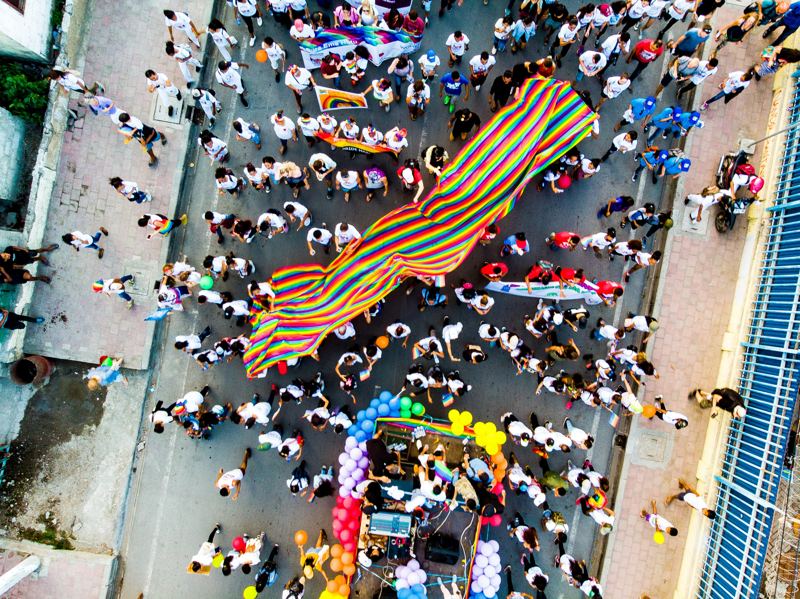
Aerial view of a large climate march filling a city street

Climate campaign websites and local environmental campaigns

National climate campaigns and local environmental fights need different things from a website, and we build for both.

A national climate campaign usually needs scale: a site that holds up when a report launches or a march trends, petitions and email-your-MP tools that can take a surge of supporters, and mobilisation features that move people from signing once to volunteering and organising.

A local campaign usually needs clarity and speed. A planning application, a sewage discharge or a threatened woodland comes with a deadline, dense documents and a community that wants to help but does not know how. The site needs to say what is happening, what the deadline is, and exactly what to write and where to send it.

  • Consultation guides that explain how to respond and what points to make, without putting identical text into hundreds of responses.
  • Targeted email tools that find a supporter's MP or councillor from their postcode.
  • Petitions that collect only the details you need and record consent for follow-up properly.
  • Event and action pages for marches, clean-ups, public meetings and committee days.
How it works

From issue to action in weeks

Name the decision

We start with who decides: an MP, a council planning committee, a company, a regulator. Everything on the site points supporters at that decision.

Explain it simply

We help you turn reports, data and planning documents into short explainers, maps and timelines that a busy person can follow in a minute.

Build light and launch fast

We build a static-first site with the actions you need, test it on slow connections and get it live before the consultation or vote closes.

Grow and report

We track sign-ups and actions with privacy-first analytics and help you turn one campaign into a lasting supporter base.

Questions

Environmental campaigns FAQs

What is a low-carbon website?

A low-carbon website is designed to use less energy to deliver and display, mainly by sending less data and running less code. In practice that means static pages, compressed images, few fonts and no heavy third-party scripts or autoplay video. Exact carbon figures for a page are hard to measure reliably, so the honest claim is that a lighter page generally uses less energy than a heavier one.

Can you build a website for a local environmental campaign?

Yes. activism.digital builds sites for local campaigns about planning applications, river pollution, green spaces and similar issues. These usually include a plain-English explainer, key dates, a petition or consultation guide, and a tool to email local councillors or the MP.

How quickly can you launch an environmental campaign website?

Weeks, not months, and faster for a focused single-issue site. Consultations and planning decisions have fixed deadlines, so we can get a first version live quickly and improve it while the campaign runs.

Do lightweight websites still look good?

Yes. Lightweight does not mean bare. Strong typography, good photography sized properly for each screen and a clear layout can look striking while staying fast. The weight in most heavy sites comes from scripts and oversized media, not from good design.

Do you use Google Analytics on climate campaign websites?

We default to privacy-first analytics that measure visits, sign-ups and actions without loading heavy third-party tracking on every page. If you need other tools, for example for advertising, we can add them and handle consent properly.

Got a deadline coming up?

Tell us the decision and the date. We will tell you what we can have live before it.

Start a project
Get in touch

Tell us about your campaign

Tell us what you are campaigning on, who makes the decision and when, and we will come back with a plan and a price.

We reply to every message, usually within one working day.