Animal rights website design

Animal rights websites built to stay online and be seen

Animal rights website design for campaigns, sanctuaries and undercover investigations. This is the work we know best. We build sites that move people to act, warn them before difficult footage, and stay up when powerful interests want them gone.

In short

What does an animal rights website need that other sites do not?

An animal rights website often has to host graphic footage responsibly, survive sudden news-driven traffic, and withstand hostile attention, complaints and takedown attempts. activism.digital builds animal rights and welfare sites with content warnings, independent resilient hosting and hardened security, alongside clear routes into action like petitions, adoption and fostering.

What you get

Built for the realities of animal rights campaigning

Independent, resilient hosting

Your investigation lives on infrastructure you control, not on a platform that can remove it after one complaint. Mirrors can be added for important material.

Responsible graphic content

Clear warnings, click-to-play video and written summaries, so people choose what they see and can still understand the evidence if they cannot watch.

Ready for the news spike

Static-first pages and CDN delivery keep the site fast when a story breaks and everyone looks at once.

Hardened against hostile attention

Bot protection, DDoS resilience, locked-down admin access and monitoring for organisations that attract attackers as well as supporters.

Routes from shock to action

Every page ends in something to do: sign, share, email your MP, donate, foster or adopt.

Sanctuary and rehoming tools

Animal profiles, adoption and fostering enquiries, sponsorship and recurring gifts for the animals in your care.

Our work

Real animal rights projects, still online

Most of our published work is for animal rights campaigns, so we are not guessing about what these sites face. Save the Dogs campaigns to end the breeding of beagles for laboratory testing at MBR Acres in Wyton, Cambridgeshire. The site gives visitors the facts, routes them straight into action, and connects fosterers and adopters with dogs who need homes.

The Kosher Truth and The Dairy Truth host Joey Carbstrong's undercover investigations. The Kosher Truth film was removed from YouTube following a complaint by one of the facilities filmed, so it needed a home that could not be taken down with it. We built and support independent hosting for both investigations, published in full in a dossier format and engineered to stay online and fast under the traffic spikes that follow every news mention.

What those projects taught us is simple. If your evidence only exists on someone else's platform, it exists at their discretion. Owning the site, the hosting and the files changes that. It does not make anything impossible to remove, and no honest agency will promise that, but it means a single complaint to a video platform cannot make your work disappear.

You can read more about each project on our work page, and about how we keep sites like these running on our resilient hosting and digital security pages.

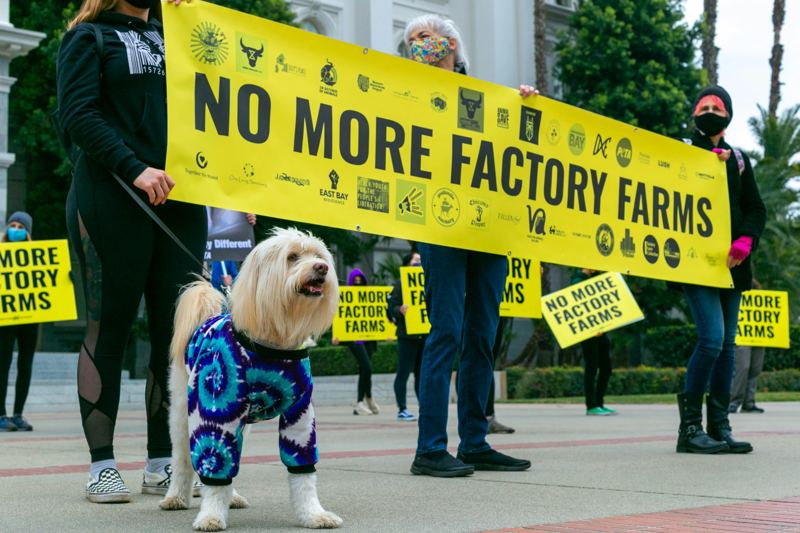
Campaigners holding a banner against factory farming

Publishing graphic footage responsibly

Undercover footage is often the most powerful thing an animal rights campaign has. It is also distressing, and putting it in front of people without warning can push away the very audience you need. We design investigation pages so viewers stay in control.

  • A plain-language content warning before any graphic material, describing what is shown without being graphic itself.
  • No autoplay. Video and distressing images load only when someone chooses to view them.
  • Written summaries and key findings alongside the footage, so people who cannot watch can still understand the evidence and act on it.
  • Clear sourcing: where and when footage was recorded, as far as you are able to say, so journalists and supporters can trust it.
  • A next step on every page, so the emotional moment turns into a signature, a message to an MP or a donation.

Handling hostile attention

Animal rights organisations draw opposition: spam floods on petition forms, fake sign-ups, attempts to knock the site offline, abusive messages and pressure on hosting companies. We plan for that from the start with bot protection on forms, rate limiting, DDoS resilience, two-factor login for every admin account, and hosting chosen with takedown pressure in mind. We also recommend that investigation material is reviewed by a lawyer before publication. Strong engineering protects you against attacks; it does not protect you against a legal claim, and good legal advice is part of publishing safely.

How it works

How we build an animal rights or investigation site

Threat and audience check

We talk through who wants to see this material, who wants it gone, and what has happened to you before. That shapes hosting, security and how content is presented.

Structure the evidence

We organise footage, findings and sources into a clear dossier with summaries, timelines and content warnings, so it informs rather than just shocks.

Build, harden and mirror

We build on static-first infrastructure, lock down access, add DDoS protection and set up mirrors or backups for the material that matters most.

Launch and stay with you

We monitor the site through launch and any media coverage, and stay on hand when complaints, attacks or traffic spikes arrive.

Questions

Animal rights FAQs

Can you host an animal rights investigation that was removed from YouTube?

Yes, if the material is lawful to publish. activism.digital built and supports independent hosting for The Kosher Truth and The Dairy Truth, Joey Carbstrong's undercover investigations, after the first was removed from YouTube following a complaint. We recommend a legal review before any investigation goes live.

Can you make an animal rights website impossible to take down?

No honest agency can promise that. What we can do is host your site independently, on infrastructure you own and control, add mirrors for key material and harden it against attacks, so a single complaint to a platform or a traffic flood is far less likely to take it offline.

How should graphic footage be shown on a campaign website?

Behind a clear content warning, with no autoplay, and with a written summary of the findings alongside it. This lets visitors choose what they see, keeps people who cannot watch engaged, and makes the evidence easier for journalists to use.

Do you build websites for animal sanctuaries and rescues?

Yes. We build sanctuary and rescue sites with animal profiles, adoption and fostering enquiries, sponsorship and recurring donations. Save the Dogs, one of our projects, connects fosterers and adopters with beagles who need homes.

What happens if our site is attacked after a news story?

Our animal rights sites are built static-first with CDN delivery and DDoS protection, so they are designed to stay fast under both real traffic and hostile floods. We can watch the site closely through launches and media coverage and respond if something does go wrong.

Got evidence that needs a safe home?

Talk to us before you publish. We will help you plan hosting, security and presentation.

Start a project
Get in touch

Tell us about your campaign

Tell us what you are working on, what you are worried about and when you need to go live, and we will come back with an honest plan.

We reply to every message, usually within one working day.